
Introduction to the 1960 Hong Kong One Dollar Coin
The 1960 Hong Kong one dollar coin is a fascinating piece of numismatic history, highly sought after by collectors worldwide. Issued during the British colonial era, this coin carries unique design elements and historical significance that contribute to its rising value in the collectibles market.
In my experience, coins from this period often attract both novice and seasoned collectors due to their scarcity and the story they tell about Hong Kong’s monetary evolution. The 1960 one dollar coin, in particular, stands out because of its distinct security edge (also known as “milled edge”), unlike the more common toothed edges found in other years.
If you’re curious about its value, rarity, and why it’s a prized possession among collectors, this guide will provide detailed insights.
Historical Background & Design Features
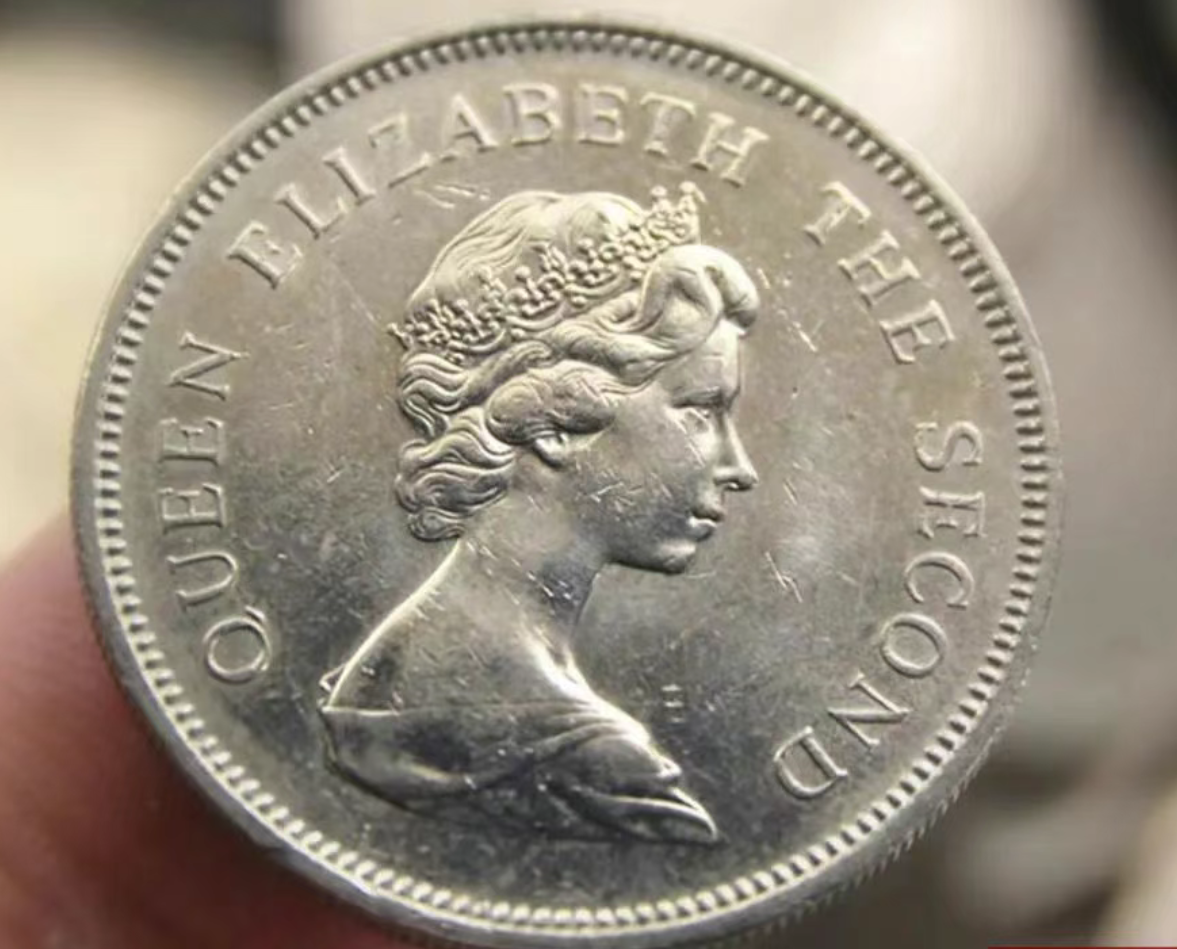
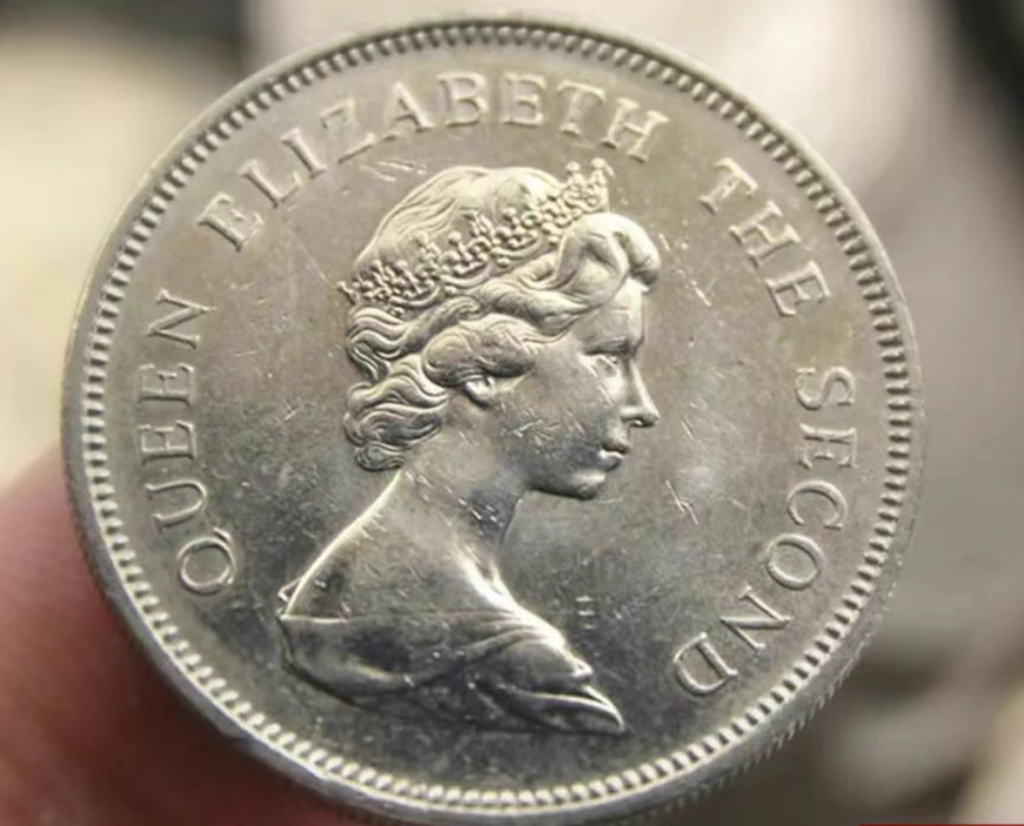
The 1960 Hong Kong one dollar coin was minted during a transitional period in Hong Kong’s history. At the time, the colony was under British rule, and its currency reflected that influence. The coin features the portrait of Queen Elizabeth II on the obverse, designed by Mary Gillick, while the reverse displays the denomination and the year surrounded by a floral pattern.
What makes this coin particularly special is its security edge—a design choice intended to prevent counterfeiting. Unlike later issues, which mostly used a reeded (toothed) edge, the 1960 version has a smooth edge with incused lettering reading “HONG KONG ONE DOLLAR.” This feature is exclusive to the 1960 and a few other select years, making it a standout piece.
Additionally, the coin was struck in nickel-brass, giving it a distinct golden hue. Over time, many of these coins were lost or melted down, further reducing the number of surviving specimens in good condition.
Market Value & Rarity (2024 Update)
As of recent market trends (2022–2024), the 1960 Hong Kong one dollar coin has seen a significant appreciation in value. Reports indicate that well-preserved specimens can fetch around HKD 250 (approx. USD 32), representing a 250-fold increase from its original face value.
However, the exact price depends on several factors:
- Condition (Grade): Uncirculated (UNC) coins command higher prices than heavily worn ones.
- Variety: The coin comes in two recognized mint mark versions—“H” (Heaton Mint, UK) and “KN” (King’s Norton Metal Co.)—with slight differences in rarity.
- Demand: Increased interest in pre-1997 Hong Kong coins (before the handover to China) has driven prices up.
From my observations, auction platforms like eBay and specialized numismatic dealers often list this coin at varying prices, with certified (graded) pieces selling for significantly more.
Why Is This Coin So Valuable?
Several key factors contribute to the 1960 Hong Kong one dollar coin’s desirability:
1. Limited Mintage & Survival Rate
Unlike later years, the 1960 issue had a relatively low mintage. Many coins were lost, damaged, or removed from circulation over time, making high-grade examples rare.
2. Unique Security Edge Design
The smooth edge with incused lettering is a distinctive feature not seen in most other Hong Kong dollar coins, adding to its appeal.
3. Historical Significance
Coins from the British colonial era are increasingly seen as historical artifacts, especially after Hong Kong’s 1997 handover to China. Collectors value them as tangible remnants of a bygone era.
4. Growing Collector Interest
The global numismatic market has seen rising demand for Asian coins, particularly those from Hong Kong and Macau. This trend has pushed prices upward.
Where to Buy & How to Authenticate
If you’re looking to add this coin to your collection, here are some reliable sources:
- Online Auctions (eBay, Heritage Auctions) – Be cautious of counterfeits; always check seller ratings.
- Coin Dealers & Numismatic Shows – Reputable dealers often carry vintage Hong Kong coins.
- Certification Services (PCGS, NGC) – Graded coins provide assurance of authenticity and condition.
Authentication Tips:
- Check the edge lettering—genuine 1960 coins have “HONG KONG ONE DOLLAR” inscribed.
- Look for the mint mark (“H” or “KN”) near the date.
- Examine the Queen’s portrait—details should be sharp, not blurry (common in fakes).
Final Thoughts: Is It Worth Collecting?
In my opinion, the 1960 Hong Kong one dollar coin is an excellent addition to any collection, whether for its historical value, unique design, or investment potential. While prices have risen steadily, well-preserved examples may continue appreciating as supply diminishes.
If you’re new to coin collecting, I recommend starting with circulated examples to familiarize yourself before investing in higher-grade pieces. And if you already own one, preserving it in a protective case will help maintain its condition and value.
Would you like to know more about other rare Hong Kong coins? Let me know in the comments!
Keywords: 1960 Hong Kong one dollar coin value, 1960 HK $1 coin, collectible Hong Kong coins, rare British colonial coins, H and KN mint marks