
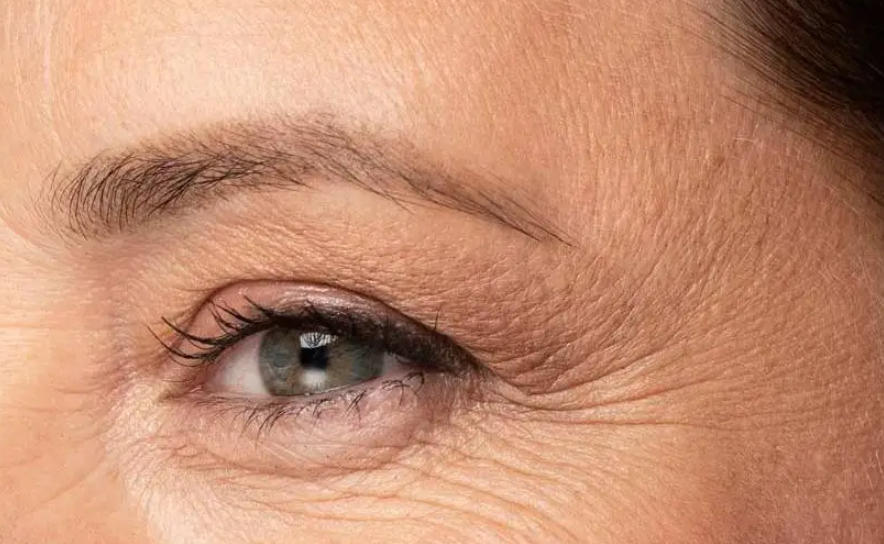

What Causes Dry Skin Around Eyes?
The skin around the eyes is naturally thinner and more delicate than other areas of the face, making it especially vulnerable to dryness and irritation. Because this area has fewer oil glands, it struggles to retain moisture, which is why dryness often appears here first. Understanding the causes of dry skin around eyes is key to finding the right solution.
One of the most common factors is aging. As we get older, collagen production decreases, and the skin loses its ability to hold moisture effectively. This leads to fine lines, dryness, and a fragile texture. Dehydration is another major cause—when the skin lacks sufficient water, it can appear tight, flaky, and dull. In addition, a weakened skin barrier reduces the skin’s ability to protect itself from environmental stress, allowing moisture to escape more easily.
External factors also play a significant role. Cold weather, dry climates, and constant exposure to air conditioning can strip moisture from the skin. At the same time, over-cleansing or using harsh skincare products can further damage the delicate eye area, worsening dryness and sensitivity.
These combined factors explain why the eye area requires more targeted and gentle care compared to the rest of the face.
Common Treatments That Actually Help
When dealing with dryness around the eyes, starting with the right basics can make a noticeable difference. One of the most widely used solutions is a targeted eye cream, designed specifically for this delicate area. Ingredients like hyaluronic acid help attract and retain moisture, keeping the skin hydrated and plump, while ceramides work to repair and strengthen the skin barrier, reducing water loss and improving overall resilience.
In addition to products, daily habits play an important role. Gentle cleansing is essential to avoid stripping the skin of its natural oils, especially in such a sensitive area. Choosing mild, non-irritating formulas and avoiding excessive rubbing can help prevent further dryness. It’s also important to avoid over-exfoliation, as harsh treatments can weaken the skin barrier and make dryness worse over time.
While these methods are effective for maintaining hydration and improving skin comfort, they do have limitations. Most topical treatments primarily work on the surface layer of the skin, meaning their impact can be gradual and often requires consistent, long-term use to see visible results.
But what if dryness is linked to deeper structural changes in the skin?
How Red Light Therapy Supports Eye Area Skin Repair
When dryness around the eyes is linked to deeper structural changes, solutions that go beyond surface care become increasingly important. This is where red light therapy offers a more advanced approach. By delivering specific wavelengths of light into the skin, it activates natural repair processes at a cellular level, helping the skin restore balance from within.
One of the key benefits is its ability to stimulate collagen production. Collagen is essential for maintaining smooth, firm skin, especially in the delicate eye area where thinning and fine lines tend to appear first. By encouraging collagen synthesis, red light therapy helps reduce the appearance of dry lines and improves overall skin texture.
It also works to improve microcirculation, allowing oxygen and nutrients to reach skin cells more efficiently. This enhanced circulation supports better hydration and helps the skin recover from daily stress and environmental damage. Over time, these effects contribute to enhanced skin elasticity, making the eye area look more refreshed and resilient.
Red Light Therapy Full Body helps improve skin hydration from within by supporting cellular regeneration. This makes it particularly useful for addressing common concerns such as dryness, fine lines, mild sagging, and signs of fatigue around the eyes.
By targeting the root causes of dryness rather than just the symptoms, red light therapy provides a more comprehensive and long-term solution for maintaining healthy, youthful-looking skin in this sensitive area.
A Smarter Routine for Long-Term Eye Skin Health
Maintaining healthy skin around the eyes requires more than occasional care—it calls for a balanced, long-term routine that combines daily maintenance with deeper repair. Since this area is delicate and prone to dryness, consistency and the right approach make all the difference.
The first step is daily care with a quality eye cream. Products containing hydrating ingredients like hyaluronic acid and barrier-repair components such as ceramides help keep the skin moisturized and protected. Applied regularly, they support surface-level hydration and reduce the appearance of dryness and fine lines.
Equally important are gentle skincare habits. Avoid over-cleansing, harsh rubbing, or excessive exfoliation, as these can weaken the already fragile eye-area skin. Using mild products and maintaining a consistent routine helps preserve the skin barrier and prevent further moisture loss.
For deeper, long-term improvement, technology-based treatments can play a key role. Adding Red Light Therapy Full Body to a weekly routine can help maintain long-term skin hydration and elasticity by supporting cellular repair and collagen production. This step goes beyond surface care, targeting the underlying causes of dryness and aging.
By combining daily hydration, gentle habits, and advanced repair methods, you create a more effective and sustainable skincare strategy. Healthy eye-area skin requires both surface care and deeper biological support.