
Introduction to Hong Kong’s Currency
Hong Kong’s currency, the Hong Kong Dollar (HKD), is one of the most distinctive and secure banknotes in the world. As someone who has frequently traveled to Hong Kong, I’ve always been fascinated by its unique design and advanced anti-counterfeiting features. The Hong Kong Monetary Authority (HKMA) ensures that HKD remains both functional and innovative, incorporating cutting-edge security elements while maintaining cultural symbolism.
Unlike many currencies controlled by a single central bank, HKD is issued by three commercial banks—HSBC, Standard Chartered, and Bank of China—under the supervision of the HKMA. This multi-issuer system makes Hong Kong’s currency unique. Additionally, HKD is pegged to the US Dollar, ensuring exchange rate stability—a crucial factor for international trade and finance.
In this article, we’ll explore fascinating facts about HKD, from its security features to historical tidbits, making it a must-read for travelers, currency enthusiasts, and trivia lovers.
Security Features: How to Spot a Genuine Hong Kong Dollar
One of the most impressive aspects of HKD banknotes is their advanced security features. Having handled various currencies, I can confidently say that Hong Kong’s notes are among the most secure. Here’s what to look for:
- Dynamic Optically Variable Pattern – Tilt the note, and the shiny rings on the top-right corner will appear to move.
- Windowed Security Thread – The metallic strip contains shifting rings that rotate when you move the note.
- Tactile Printing – Run your fingers over the denomination number on the top-left corner; you’ll feel a raised texture.
- Hidden Denomination – When held against light, the denomination number becomes visible.
- High-Transparency Watermark – A translucent bauhinia flower and denomination number appear when backlit.
- Fluorescent Features – Under UV light, parts of the note glow in two different colors.
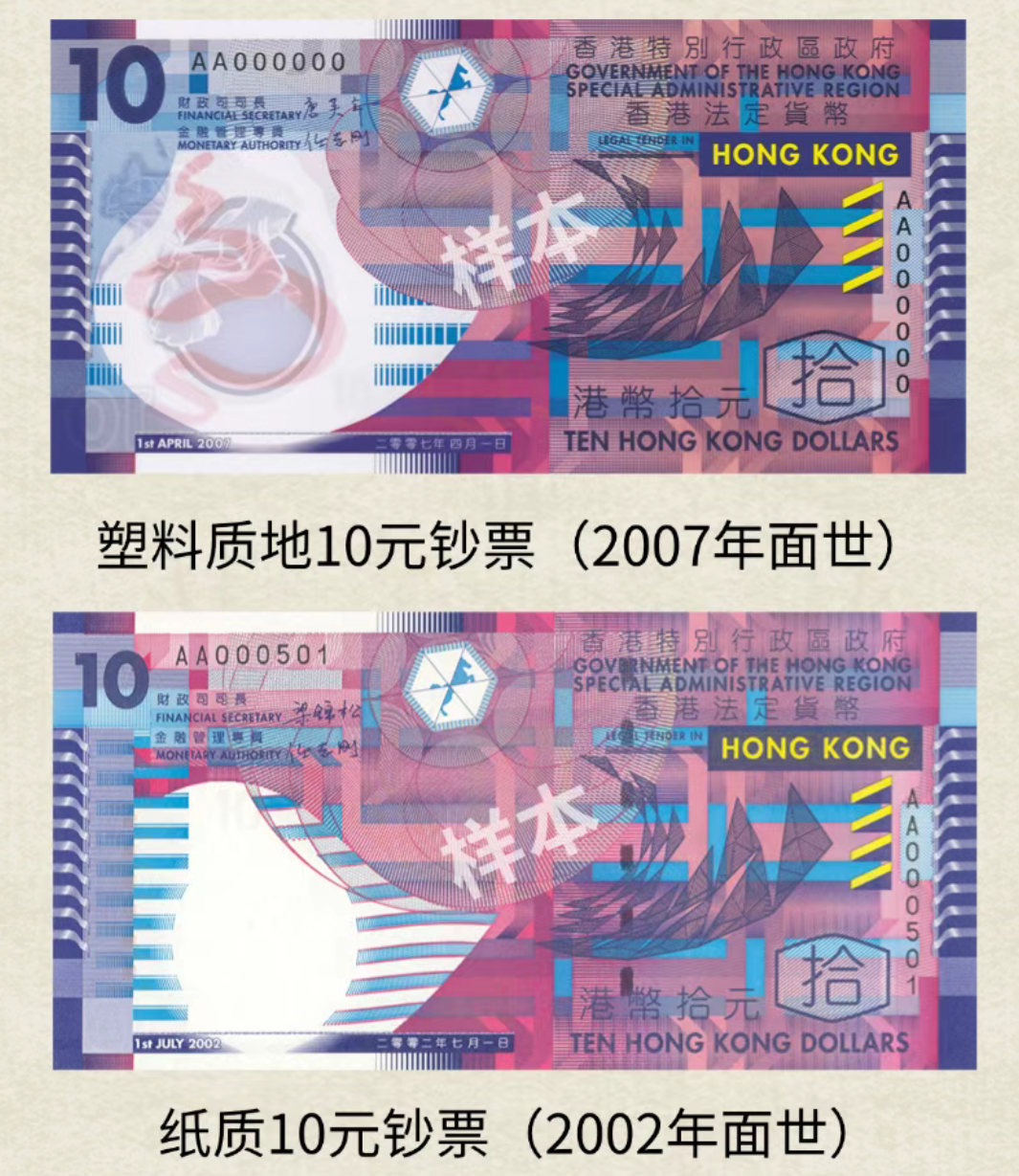
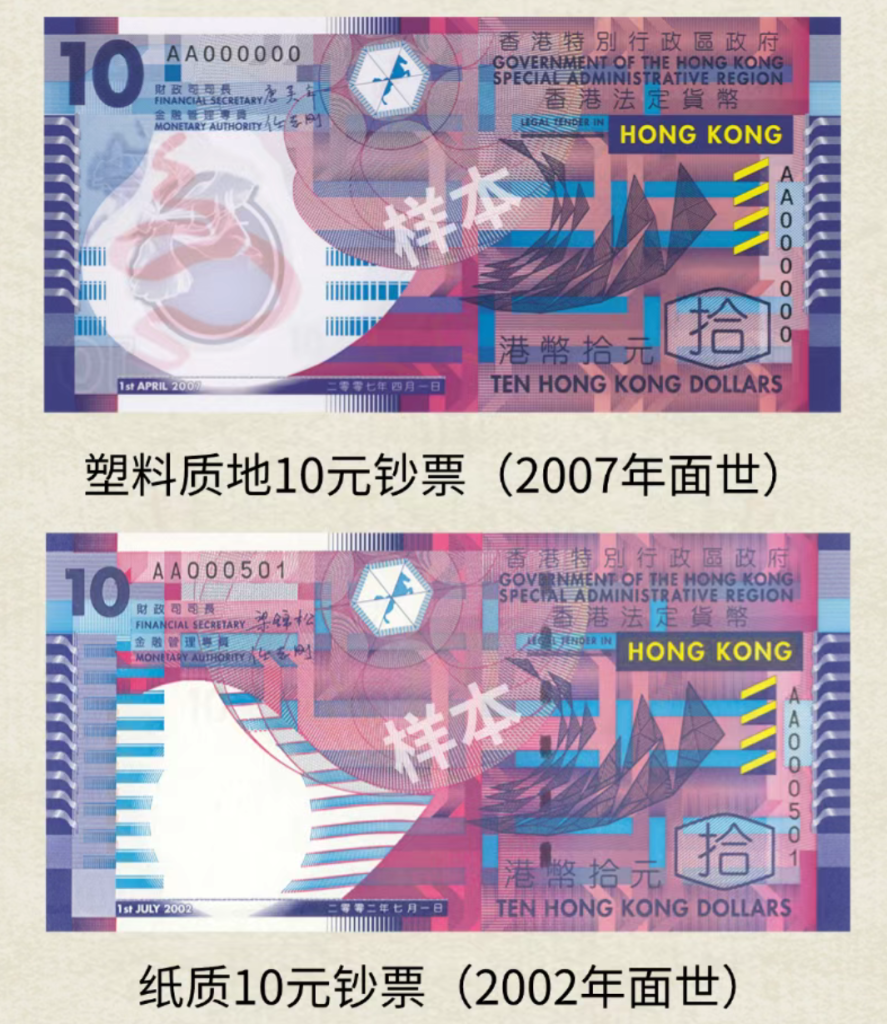
For example, the HK$10 note has a transparent window with a color-shifting ribbon (pink to purple) and a hidden “10” that appears when tilted. These features make counterfeiting extremely difficult while adding an interactive element for users.
The History and Evolution of HKD
Hong Kong’s currency has a rich history shaped by trade, colonialism, and economic modernization. Originally, Hong Kong used Spanish and Mexican silver dollars before introducing its own currency in 1863.
A key turning point was the 1983 peg to the US Dollar, stabilizing HKD amid political uncertainty before the 1997 handover. Today, the Linked Exchange Rate System ensures that HKD remains stable at around 7.8 HKD to 1 USD, with minor fluctuations permitted.
Another interesting fact: Before 1993, Hong Kong issued $1,000 gold coins for collectors. While no longer in circulation, these coins remain prized by numismatists.
Fun Trivia About Hong Kong Banknotes
Beyond security and history, HKD has some quirky and lesser-known aspects:
- Polymer Notes – The HK$10 note is made of polymer, making it more durable than paper.
- Cultural Symbols – Each denomination features landmarks like Victoria Harbour and traditional Chinese motifs.
- Lucky Numbers – The number 8 (considered lucky in Chinese culture) appears frequently in serial numbers.
During my visits, I’ve noticed that some shops prefer newer banknotes for “lai see” (red envelopes) during Lunar New Year, believing they bring better fortune.
Practical Tips for Handling HKD
If you’re traveling to Hong Kong, here’s what I recommend:
- Smaller Denominations are handy for street markets and taxis, as some drivers may not have change for HK$500 or HK$1,000 notes.
- Check for Counterfeits – Always verify security features, especially in busy tourist areas.
- Exchange Wisely – Banks and official exchange counters offer better rates than airport kiosks.
Conclusion: Why HKD Stands Out
Hong Kong’s currency is a perfect blend of tradition, innovation, and practicality. Whether you’re a collector, traveler, or finance enthusiast, understanding HKD’s features and history adds a new layer of appreciation for this globally recognized currency.
Have you encountered any unique banknotes in Hong Kong? Share your experiences in the comments!
(Word count: ~1,000)