Why Hong Kong Remains a Strategic Hub for CNC Machining Trade and Logistics

For decades, Hong Kong has been celebrated as one of the world’s leading trade and logistics centers. While much of the actual manufacturing occurs in mainland China, Hong Kong’s role as a gateway for precision engineering components—particularly CNC machined parts—has only grown more important. From aerospace to automotive to consumer electronics, global buyers continue to rely on Hong Kong as a trusted bridge connecting advanced CNC machining capabilities in southern China with international markets.
As someone who has studied both supply chains and manufacturing, I see Hong Kong’s relevance not just in its ports and airports, but in its ability to combine logistics efficiency with professional services, making it indispensable for CNC trade flows.
Hong Kong as the “Front Office” of Precision Manufacturing
While Shenzhen and Dongguan are packed with machining workshops, Hong Kong acts as the front office for these industrial clusters. The city offers:
- Financial Security – International buyers trust Hong Kong’s transparent banking system, which simplifies transactions with Chinese suppliers.
- Customs Efficiency – As a free port, Hong Kong ensures smoother import-export processes, crucial for time-sensitive CNC parts.
- Professional Oversight – Legal, inspection, and quality-control services are readily available, reducing risks for global clients.
This combination allows overseas companies to work with mainland machining factories while enjoying Hong Kong’s credibility and infrastructure.
Why CNC Machining Trade Passes Through Hong Kong
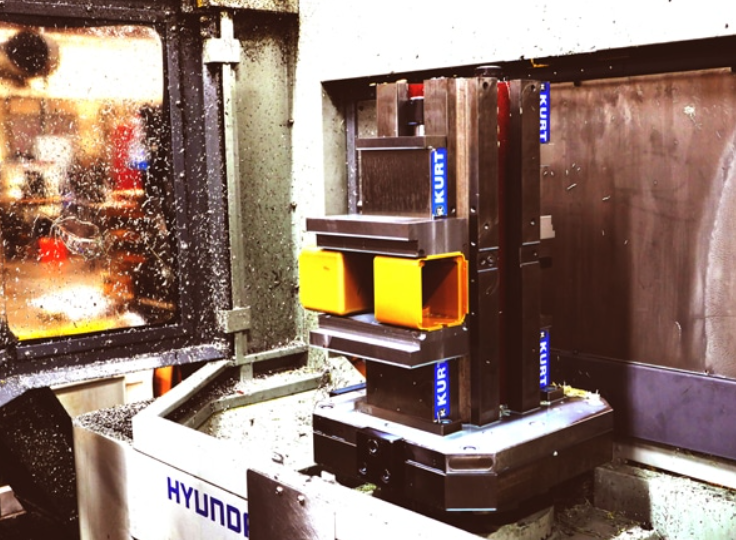
CNC machining covers a wide spectrum—from simple parts to highly complex geometries that demand advanced 5-axis CNC machining. Hong Kong’s logistics ecosystem is well suited to handling these high-value, precision components:
- Fast Air Freight
Hong Kong International Airport is consistently ranked among the busiest cargo airports in the world, ensuring urgent CNC shipments can reach Europe or North America within days. - Special Handling for Precision Parts
CNC parts often require careful packaging and climate-controlled storage. Hong Kong’s logistics providers have the expertise to manage this. - Integration with Mainland Supply Chains
Components produced in Shenzhen or Dongguan workshops, using advanced CNC milling services, can be transported across the border and shipped globally the same day.
From my perspective, this seamless connectivity is what makes Hong Kong irreplaceable.
Industry Trends Reinforcing Hong Kong’s Position
Several recent developments highlight why Hong Kong’s CNC role remains strong:
- Supply Chain Diversification
Global buyers, after facing disruptions during the pandemic, are increasingly using Hong Kong as a reliable base for dual sourcing strategies. - Green Logistics
In 2025, Hong Kong launched initiatives to decarbonize freight operations, including electric cargo fleets and low-emission port facilities. This is significant, as sustainability is now a key criterion in international procurement. - Digital Trade Platforms
Many Hong Kong firms are adopting blockchain-based logistics tracking, giving overseas buyers real-time visibility into the movement of CNC parts.
Personally, I believe these trends demonstrate Hong Kong’s ability to adapt rather than decline, even as new trade hubs emerge in Asia.
Personal Perspective: Conversations in Hong Kong
On a recent trip to Hong Kong, I spoke with a logistics manager handling aerospace-grade CNC components. He explained how a prototype milled in Shenzhen in the morning could be inspected in Hong Kong and shipped to Europe by evening.
His comment summed it up perfectly: “Speed is our selling point. Without Hong Kong’s logistics backbone, even the best machining capability in the world would struggle to reach clients fast enough.”
That conversation reinforced for me why Hong Kong continues to hold its edge—because it doesn’t just move goods, it delivers trust and time advantage.
Challenges and Competition
Hong Kong does face challenges. Rising costs, competition from mainland free trade zones, and geopolitical uncertainties could erode some advantages. Meanwhile, hubs like Singapore and Dubai are also positioning themselves as logistics leaders.
Yet Hong Kong’s strength lies in its ecosystem density—finance, law, logistics, and trade expertise all in one location. This synergy makes it difficult for other cities to fully replicate.
Final Thoughts
Hong Kong may not manufacture CNC parts itself, but it remains the strategic connector between global buyers and China’s machining powerhouses. Its logistics efficiency, trusted financial systems, and professional oversight ensure that complex, high-value parts—from simple CNC-milled components to intricate 5-axis machined structures—reach clients worldwide on time and intact.
For me, Hong Kong’s continued relevance is clear: it is not just a transit point, but a confidence multiplier in the global CNC machining supply chain. As industries push for faster, greener, and more reliable sourcing, Hong Kong will remain a hub where precision engineering meets world-class logistics.