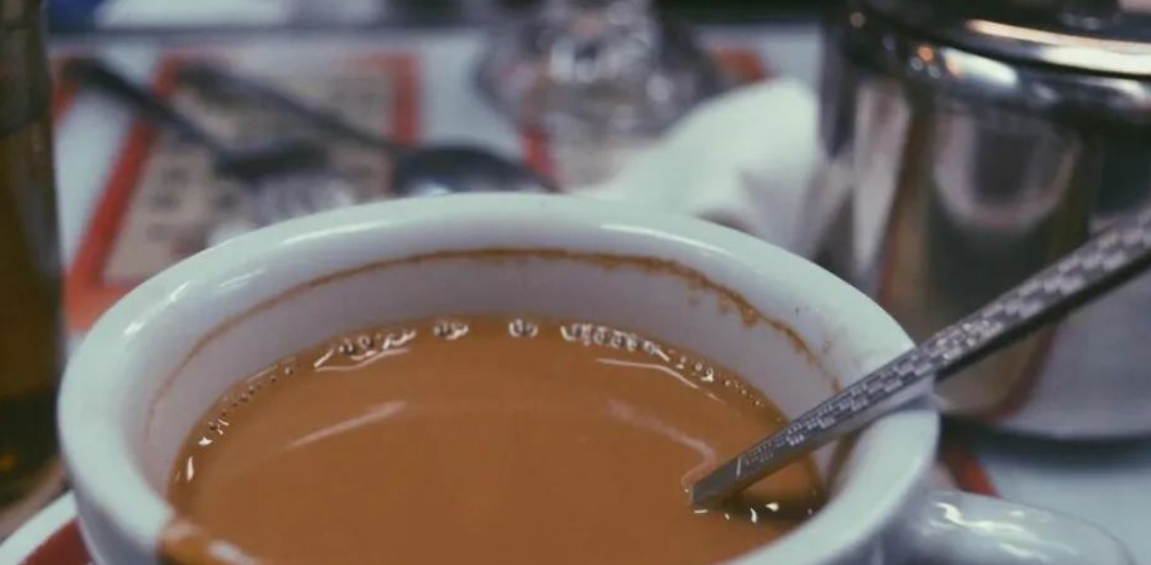

Hong Kong-style milk tea, often referred to as “pantyhose milk tea” due to the fine straining process, is a beloved beverage that holds a special place in Hong Kong’s culinary culture. As someone who has spent years exploring tea houses across Hong Kong, I can confidently say that a well-brewed cup of Hong Kong milk tea is nothing short of magical. The robust tea flavor perfectly balanced with creamy sweetness creates an unforgettable experience.
The History and Cultural Significance
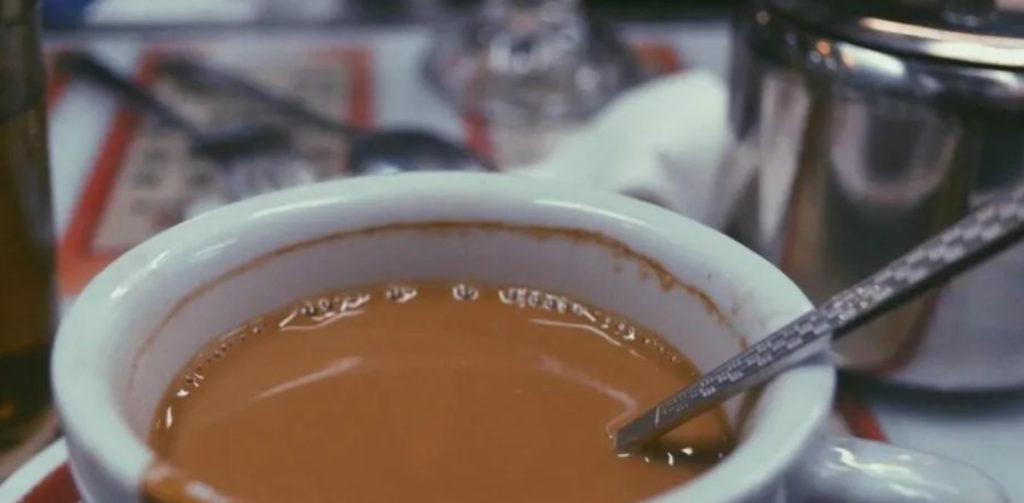
Hong Kong-style milk tea is more than just a drink—it’s a cultural icon. Originating during the British colonial era, it represents a fusion of British tea traditions with local preferences. The unique preparation method, known as “pulling” or “pantyhose tea,” involves repeatedly pouring the tea through a fine strainer to achieve its signature smooth texture.
In my visits to local cha chaan tengs (Hong Kong-style cafes), I’ve observed how this beverage is deeply woven into daily life. From breakfast pairings with pineapple buns to afternoon tea breaks, Hong Kong milk tea is a constant companion. In 2017, it was even included in Hong Kong’s Intangible Cultural Heritage list, cementing its importance in local culture.
Essential Ingredients for Authentic Flavor
The magic of Hong Kong milk tea lies in its carefully selected ingredients:
- Tea Leaves: The traditional blend uses 60% Assam and 40% Ceylon tea leaves. Assam provides boldness while Ceylon adds brightness. During my experiments, I’ve found that adding a small amount of Earl Grey can introduce an interesting floral note.
- Evaporated Milk: The iconic Black & White brand evaporated milk is preferred for its rich consistency. When unavailable, I’ve had success with Carnation milk, though the texture differs slightly.
- Condensed Milk: This adds sweetness and depth. I personally recommend using less than you think you need—about 1 tablespoon per cup—as you can always add more.
Pro tip: Always use loose leaf tea rather than tea bags for fullest flavor extraction.
Step-by-Step Brewing Technique
1. Tea Preparation
Bring 1 liter of water to boil, then let it cool slightly to about 95°C (203°F). Add 35g of the tea blend (about 7 teaspoons) and simmer for 10 minutes. I’ve found that maintaining this temperature prevents bitterness while extracting maximum flavor.
2. The Crucial Straining Process
Strain the tea through a fine mesh sieve lined with a cotton tea sock (or cheesecloth) at least 3-4 times. This “pulling” process aerates the tea and removes fine particles that cause bitterness. My personal record is 7 pulls—the tea became incredibly smooth but took considerable patience!
3. Milk Integration
Combine the strained tea with evaporated milk in a 3:1 ratio (tea to milk). Add condensed milk to taste—start with 1 tablespoon per cup. The ideal serving temperature is about 70°C (158°F), hot enough to enjoy but not scalding.
Common Pitfalls and Solutions
Problem: Bitter aftertaste
Solution: Reduce steeping time to 8 minutes and ensure water isn’t at full boil when adding leaves
Problem: Weak tea color
Solution: Increase tea quantity by 5g or try a second steep of the same leaves
Problem: Milk curdling
Solution: Always add milk to tea (not vice versa) and maintain proper temperature
In my early attempts, I made all these mistakes—once creating a brew so bitter even sugar couldn’t save it! Practice truly makes perfect with this delicate balance.
Serving Suggestions and Variations
The classic Hong Kong milk tea is served hot in thick-walled glasses to retain heat. For iced versions (my personal summer favorite), brew a stronger concentrate and pour over large ice cubes to prevent dilution.
Interesting variations I’ve encountered include:
- Yuenyeung: A fascinating mix of coffee and milk tea
- Butter Tea: Adding a pat of butter for extra richness
- Ginger Milk Tea: Infusing fresh ginger during brewing
Final Thoughts
Mastering Hong Kong-style milk tea requires patience but rewards with incredible flavor. The key is respecting the traditional methods while adjusting to personal taste. After years of practice, my version still varies slightly each time—and that’s part of the charm.
What’s your perfect milk tea ratio? I’d love to hear about your experiences with this iconic beverage! Whether you prefer it scalding hot or refreshingly cold, the journey to your ideal cup is half the fun.